Published:

Updated on:

Does Baking Soda Toothpaste Prevent Cavities?

Reviewed by Dr. Alan Baughman, DMD, MBA

Reading time: three minutes

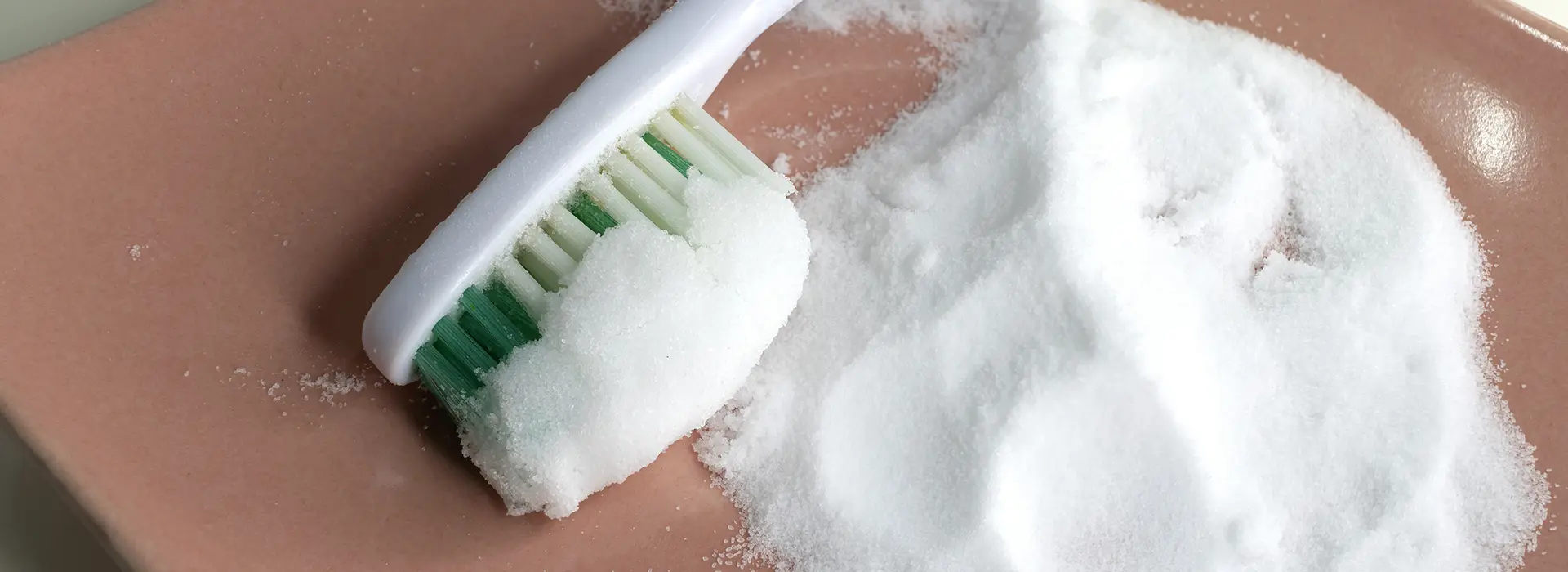
Baking soda is a common ingredient in toothpaste because it can help clean teeth, remove plaque, and neutralize acids in the mouth. However, baking soda itself does not protect against cavities the same way fluoride does.

What Does Baking Soda Toothpaste Do?

Baking soda, also called sodium bicarbonate, is alkaline. This means it can help neutralize acids in the mouth that contribute to enamel demineralization. Baking soda in toothpaste can also help with mechanical plaque removal.

Baking soda toothpaste can help remove plaque as you brush. It may also support gum health by helping reduce plaque buildup around the gumline. Baking soda can also help remove some surface stains, although it does not change the natural color inside the tooth in the same way that professional whitening treatments can.

Does Baking Soda Prevent Cavities?

Baking soda can make the mouth less acidic, but baking soda itself does not prevent cavities. Cavities develop when acids produced by oral bacteria cause minerals to leave the enamel. Neutralizing some of that acid can support a healthier oral environment, but baking soda does not help remineralize and strengthen enamel the way fluoride does.

Baking Soda vs. Fluoride for Your Teeth

Baking soda and fluoride do different things, so they do not have to be an either-or choice.

Baking soda can:

  • Help neutralize acids in the mouth
  • Help remove plaque while brushing
  • Remove some surface stains
  • Support daily oral hygiene

Fluoride can:

  • Reduce mineral loss from enamel
  • Help replace minerals lost during acid attacks
  • Make enamel more resistant to future acid exposure
  • Help prevent cavities

Fluoride works directly with the enamel during the ongoing process of demineralization and remineralization. The CDC recommends brushing with fluoride toothpaste because regular fluoride exposure helps prevent tooth decay.

You do not necessarily need to choose between the two. Toothpastes can contain both baking soda and fluoride, giving you the cleaning and acid-neutralizing properties of baking soda along with the cavity protection of fluoride.

If You Want a Fluoride-Free Toothpaste

If you prefer to avoid fluoride, look for a toothpaste that contains nano-hydroxyapatite. Nano-hydroxyapatite is a form of the mineral that makes up much of tooth enamel, and research suggests it can help remineralize enamel and protect against cavities.

When choosing a fluoride-free toothpaste, check the ingredient list specifically for nano-hydroxyapatite rather than hydroxyapatite alone.

FAQs

Does baking soda kill cavity-causing bacteria?

Not directly. Baking soda can raise the pH in your mouth, creating a less acidic environment, but it is not an antibacterial treatment for cavity-causing bacteria. Regular brushing and cleaning between your teeth are still necessary to control plaque.

Can children use baking soda toothpaste?

Children can use some baking soda toothpastes, but the toothpaste should be appropriate for their age and contain an effective cavity-prevention ingredient. Parents should also use the recommended amount of toothpaste for their child’s age and supervise brushing until the child can brush effectively on their own.

Can baking soda toothpaste help with sensitive teeth?

Baking soda itself is not a primary treatment for tooth sensitivity. If you have sensitive teeth, look for a toothpaste specifically formulated for sensitivity, since these products contain ingredients designed to reduce sensitivity or protect exposed areas of the tooth.

Is it safe to brush with only baking soda?

Yes. Brushing with plain baking soda is generally safe and is unlikely to harm your teeth. The concern is that baking soda alone does not protect your teeth from cavities, so it should not replace a toothpaste formulated for cavity prevention.

Talk With Us About Cavity Protection

Cavity prevention is not limited to choosing the right toothpaste. At Clearwater Dentistry, we can recommend preventive options based on your teeth and your risk for decay.

Protect your teeth with regular preventive care. Call (970) 515-3550 to schedule your dental exam and cleaning at Clearwater Dentistry in Greeley.
Does Baking Soda Toothpaste Prevent Cavities?

Reviewed by Dr. Alan Baughman, DMD, MBA

Reading time: three minutes

Baking soda is a common ingredient in toothpaste because it can help clean teeth, remove plaque, and neutralize acids in the mouth. However, baking soda itself does not protect against cavities the same way fluoride does.

What Does Baking Soda Toothpaste Do?

Baking soda, also called sodium bicarbonate, is alkaline. This means it can help neutralize acids in the mouth that contribute to enamel demineralization. Baking soda in toothpaste can also help with mechanical plaque removal.

Baking soda toothpaste can help remove plaque as you brush. It may also support gum health by helping reduce plaque buildup around the gumline. Baking soda can also help remove some surface stains, although it does not change the natural color inside the tooth in the same way that professional whitening treatments can.

Does Baking Soda Prevent Cavities?

Baking soda can make the mouth less acidic, but baking soda itself does not prevent cavities. Cavities develop when acids produced by oral bacteria cause minerals to leave the enamel. Neutralizing some of that acid can support a healthier oral environment, but baking soda does not help remineralize and strengthen enamel the way fluoride does.

Baking Soda vs. Fluoride for Your Teeth

Baking soda and fluoride do different things, so they do not have to be an either-or choice.

Baking soda can:

  • Help neutralize acids in the mouth
  • Help remove plaque while brushing
  • Remove some surface stains
  • Support daily oral hygiene

Fluoride can:

  • Reduce mineral loss from enamel
  • Help replace minerals lost during acid attacks
  • Make enamel more resistant to future acid exposure
  • Help prevent cavities

Fluoride works directly with the enamel during the ongoing process of demineralization and remineralization. The CDC recommends brushing with fluoride toothpaste because regular fluoride exposure helps prevent tooth decay.

You do not necessarily need to choose between the two. Toothpastes can contain both baking soda and fluoride, giving you the cleaning and acid-neutralizing properties of baking soda along with the cavity protection of fluoride.

If You Want a Fluoride-Free Toothpaste

If you prefer to avoid fluoride, look for a toothpaste that contains nano-hydroxyapatite. Nano-hydroxyapatite is a form of the mineral that makes up much of tooth enamel, and research suggests it can help remineralize enamel and protect against cavities.

When choosing a fluoride-free toothpaste, check the ingredient list specifically for nano-hydroxyapatite rather than hydroxyapatite alone.

FAQs

Does baking soda kill cavity-causing bacteria?

Not directly. Baking soda can raise the pH in your mouth, creating a less acidic environment, but it is not an antibacterial treatment for cavity-causing bacteria. Regular brushing and cleaning between your teeth are still necessary to control plaque.

Can children use baking soda toothpaste?

Children can use some baking soda toothpastes, but the toothpaste should be appropriate for their age and contain an effective cavity-prevention ingredient. Parents should also use the recommended amount of toothpaste for their child’s age and supervise brushing until the child can brush effectively on their own.

Can baking soda toothpaste help with sensitive teeth?

Baking soda itself is not a primary treatment for tooth sensitivity. If you have sensitive teeth, look for a toothpaste specifically formulated for sensitivity, since these products contain ingredients designed to reduce sensitivity or protect exposed areas of the tooth.

Is it safe to brush with only baking soda?

Yes. Brushing with plain baking soda is generally safe and is unlikely to harm your teeth. The concern is that baking soda alone does not protect your teeth from cavities, so it should not replace a toothpaste formulated for cavity prevention.

Talk With Us About Cavity Protection

Cavity prevention is not limited to choosing the right toothpaste. At Clearwater Dentistry, we can recommend preventive options based on your teeth and your risk for decay.

Protect your teeth with regular preventive care. Call (970) 515-3550 to schedule your dental exam and cleaning at Clearwater Dentistry in Greeley.

Experience the Clearwater Difference

Join our growing community of satisfied patients today! Discover what sets us apart and enjoy our commitment to providing outstanding patient care.

Skip to content